January 2005-March 2010 Average: $1.95-$2.96 a gallon
2010-2011 Heating Season Average: $2.91-$3.88 a gallon
January-March 2012 Average: $3.85-$4.12 a gallon
Also called oilheat, No. 2 heating oil or fuel oil No. 2, residential heating oil is most commonly used in homes on the East Coast and in the Midwest, and less often in other regions. Heating oil prices fluctuate widely over time and by location, influenced by the cost of crude oil, production expenses, transportation/distribution costs, and seasonal changes in supply and demand. The federal Energy Information Administration provides an overview[1] of the factors affecting residential heating oil prices.
Typical costs:
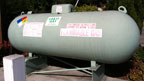
Home heating oil is measured by the gallon and stored in a heating oil tank. Aboveground tanks are typically 250-275 gallons and might need refilling four to six times in the heating season (October to March), and underground tanks are typically 500-1,000 gallons and might need refilling one to three times a winter, depending on furnace efficiency and usage.
Each year, from October to March, the EIA posts weekly nationwide average prices[2] for wholesale and residential heating oil. In October 2013, the average residential price was $3.832. According to EIA historical data[3] , from October 2012 to March 2013 the average price per gallon for residential heating oil varied from $3.969-$4.175, or about $910-$1,000 to refill a 275-gallon tank and $1,850-$2,100 for a 550-gallon tank; and 10 years ago, from October 2003 to March 2004, the average was $1.344-$1.625 a gallon.
Location-specific pricing data is available during the heating season for Maine[4] , Massachusetts[5] , Michigan[6] , Nebraska[7] , New Jersey[8] and New York[9] .
Most companies charge the market rate for a one-time or spot delivery, but offer slightly discounted prices (typically 10 cents to 25 cents less than the market price the day the deal is signed) for pre-paid or pre-buy contracts covering all deliveries for the heating season. (Contracts can help consumers if heating oil prices increase over the winter, but customers who signed contracts in July 2008 saw the market rate tumble that winter, and many paid penalties of $200-$300 or more to get out of high-priced contracts.)
Heating fuel cooperatives or buying groups like the nationwide Heat USA[10] , Co-op Power[11] in New England or Pilgrim Oil Group[12] in New York, New Jersey, Connecticut and Massachusetts charge a membership fee (typically $20-$25 a year) and negotiate a discounted price per gallon (typically 10 25 cents off the market price) for their members.
The tank's fill pipe must be accessible and visible to the delivery company. Before winter starts and after each delivery, check that the fill cap and vent cap are in place and on tight. Alaska's Department of Environmental Conservation explains how to maintain[13] a heating oil tank.
Additional costs:
Some contracts include annual cleaning and service for the home's heating system (furnace) for another $100-$300 per winter season.
Discounts:
Have the heating oil tank filled in late summer or early fall, when prices are typically lower.
Some heating oil companies offer reward programs. For example, Marathon Energy[14] in Brooklyn, NY, awards one point for every gallon of heating oil purchased, and 1,000 points can be redeemed for a $10 Visa debit card; Mansfield Oil[15] in New Jersey gives a $1 credit per gallon for up to 18% of the total gallons purchased from Mansfield; and Neighboroil[16] in Massachusetts awards points for referring other new customers, purchasing products from specific retailers or interacting on the company's website, with points automatically redeemed for discounts on the per-gallon cost of heating oil.
The US Department of Health & Human Services provides information about the Low Income Home Energy Assistance Program (LIHEAP[17] ), helping helps low-income households meet urgent home energy needs. LIHEAP is funded by the federal government but handled by each state[18] , so eligibility rules and assistance varies.
Shopping for heating oil:
Generally, heating oil dealers are local businesses. For lists of dealers, search for a local oilheat or fuel dealers council/association, like those in Massachusetts[19] , New Hampshire, Eastern New York[20] , the Hudson Valley, Long Island[21] , New York City[22] , the Pacific Northwest or South Jersey[23] .
7 Lesser-Known Discounts for the 50+ Crowd As they age, members of the Baby Boomer generation don't like to admit that they're senior citizens, but they love getting discounts. It's kind of a quandary, because some of the best deals available are reduced prices for older folks. || Posted October 21 2013
7 Ways to Stretch Your Reduced Food Budget End of the year budgets are tight for everyone, especially in this economy.It's especially hard for the millions of Americans who depend on government programs like food stamps to help make ends meet. || Posted November 11 2013
the cost of a gallon of fuel 256.9 is absurd, is very very high with terrible customer service. Automatic delivery was included with a cap of 2.79. I would not recommend kasden fuel by any means. I WOULD RATHER BE WITHOUT OIL THAN TO HAVE A DELIVERY OF OIL FROM KASDEN. THIS EXCESSIVE HIGH PRICE WAS MENTIONED TO NO AVAIL. STAY AWAY
the company decided to change the heating season to be ends on April 1st not 31st as it is with petro oil company and many others in new jersey to charge the consumer hire price specially whome have a cap price and services contract ends by september 2011 any answer please
CostHelper is based in Silicon Valley and provides consumers with unbiased price information about thousands of goods and services. Our writers are experienced journalists who adhere to our strict editorial ethics policy.
CostHelper Community
UTI urgent care visit Paid: 147.00 Visit was $135. Antibiotics was $12. Waiting for four hours in the waiting room and the visit was quick... [more]
Spanish Medical Interpreter Paid: 150.00 I worked with SynShyne Services out of Monroe, NC. They were so worth the price! Professional, friendly, accurate, great attitude and always on time. I recieved an itemized report after every contact and a user friendly invoice weekly... [more]
Skin prick allergy test Paid: 573.00 Took my 9 yr. old in after an allergic reaction to eggs. Several panels for nuts, fish & top 8 allergens. Sure enough, egg came up. Got a script for epinephrine and left... [more]






 Post
Post